Available 7 days a week
Discovery Full Circle Tours
+91-9811 552 453
The Journal

India travel stories & planning notes.

Destination ideas, practical planning advice, culture notes and travel stories from the Discovery Full Circle team.

Planning shortcut

Read less noise. Find the route, season and trip style that actually fits.Talk to a planner
Latest Updates

Fresh from the journal

Golden Triangle with Varanasi: How Many Days Do You Really Need?
Featured Story

Travel · Oct 9, 2026

Golden Triangle with Varanasi: How Many Days Do You Really Need?

The Golden Triangle of Delhi, Agra, and Jaipur is India's best-known first trip. Adding Varanasi turns a sightseeing circuit into something deeper: palaces and the Taj Mahal, followed by one of the oldest living cities in the world, on the banks of the Ganges. The question we hear most often is: how many days do you need? The short answer Plan for 8 to 9 days. That gives you the classic triangle at a comfortable pace, plus two proper days in Varanasi. Trip length What it covers Best for 5-6 days Delhi, Agra, Jaipur only Short stays, tight schedules 7 days Triangle with a rushed Varanasi Travelers who accept moving fast 8-9 days Triangle plus 2 days in Varanasi Most first-time visitors 10-12 days Adds Udaipur, Khajuraho, or Rajasthan stops Those who want more depth Why not fewer than 8 days? The distances are manageable, but the travel adds up. Delhi to Agra is roughly 230 km (3.5 to 4 hours by expressway), Agra to Jaipur about 240 km (4.5 to 5 hours), and Jaipur back to Delhi around 270 km (5 to 6 hours). Varanasi is a short flight from Delhi, but it still costs you half a day with airport time. Squeeze everything into 6 or 7 days and you spend most of it in a car or at an airport. Varanasi in particular suffers. It is a city you feel at dawn on the river and at the evening aarti, not one you can tick off in a few hours. A sample 9-day itinerary Day 1: Arrive in Delhi. Meet your driver, check in, and rest after the flight. Day 2: Old and New Delhi. Visit Jama Masjid, a rickshaw ride through Chandni Chowk, Humayun's Tomb, and India Gate. Humayun's Tomb, Delhi Day 3: Delhi to Agra. Drive to Agra and visit Agra Fort in the afternoon. Mehtab Bagh across the river gives a calm sunset view of the Taj. Taj Mahal, Agra Day 4: Taj Mahal to Jaipur. See the Taj Mahal at sunrise, when it is quietest, then drive to Jaipur with a stop at Fatehpur Sikri on the way. Day 5: Jaipur. Amber Fort in the morning, then the City Palace, Jantar Mantar, and Hawa Mahal. Finish with a walk through the bazaars. Hawa Mahal, Jaipur Day 6: Jaipur to Delhi to Varanasi. Drive back to Delhi (or fly if you prefer) and take an evening flight to Varanasi. Day 7: Varanasi. Start with a sunrise boat ride on the Ganges, then explore the old lanes and temples. Visit Sarnath, where the Buddha gave his first sermon, in the afternoon. Return to the ghats for the evening Ganga Aarti. Sunset boat ride, Varanasi Day 8: Varanasi to Delhi. Take a slow morning walk through the old city, then fly to Delhi. Day 9: Departure. When is the best time to go? October to March is the best window. Days are pleasant and clear. December and January can bring fog and cool mornings in the north, so allow flexibility for flights and early starts. April to June is very hot, and July to September is monsoon season, though it is quieter and greener. Practical tips from our team The Taj Mahal is closed on Fridays. Plan your Agra day around that. Go early. Sunrise at the Taj and at Amber Fort means fewer crowds and softer light. Use a private driver. The roads between cities are long, and a driver means you can stop where you like and travel at your own pace. Hire local guides in each city. In Varanasi especially, a good guide helps you understand what you are seeing and keeps you comfortable in the narrow lanes. Dress modestly at temples and mosques, and carry a light scarf. Book Varanasi flights early, since schedules from Delhi change by season. Frequently asked questions Can I do the Golden Triangle with Varanasi in 7 days? It's possible, but you'll spend a large part of the trip in transit, and Varanasi gets only a day. We recommend at least 8. Is Varanasi worth adding? For many travelers it becomes the highlight. It offers something the palaces and monuments don't: living ritual, with people bathing, praying, and cremating on the river, and daily life layered over thousands of years of history. Should I do Varanasi before or after the triangle? Most travelers do it last. It's an intense city, and ending with it makes a fitting finale. Starting with the more familiar Delhi, Agra, and Jaipur also eases you into India. Can the itinerary be customized? Yes. All our journeys are tailor-made, so we can add Udaipur, Khajuraho, or Rishikesh, adjust the hotels, or slow the pace. Ready to plan your trip? Our 9-Day Golden Triangle with Varanasi covers Delhi, Agra, Jaipur, and the Ganga Aarti, with private chauffeur-driven transport and local guides. View the itinerary or Get a custom quoteRead full story →
Tiger Safaris in India Decoded: The Ultimate Guide & Permits

wildlife · Oct 25, 2026

Tiger Safaris in India Decoded: The Ultimate Guide & Permits

Planning an African safari usually means picking a great private concession, flying into a bush airstrip, and letting the lodge handle the rest. India is a completely different ballgame. The subcontinent is home to over 75% of the planet's remaining wild Bengal tigers, but the country’s national park system runs on strict government bureaucracy, rigid permit quotas, and designated forest zones. If you simply turn up at a luxury lodge hoping to figure out your game drives at the front desk, you’re in for a massive disappointment. Getting your safari right comes down to knowing the ground rules months before you pack your bags. Here is how the system actually works, which parks are worth your time, and how to get your hands on the permits you need 1. Where to Go: Rajasthan or Central India? India has dozens of tiger reserves under Project Tiger, but unless you’re on a multi-month expedition, your search realistically narrows down to two main hubs: Rajasthan and the deep wilderness belts of Madhya Pradesh . Reserve The Setting What Makes It Special How to Fit It In Ranthambore (Rajasthan) Dry deciduous forest, ancient banyans, and 10th-century ramparts Best dramatic scenery; easiest to slot between palace cities The Golden Triangle (by road or express train from Agra/Jaipur) Bandhavgarh (Madhya Pradesh) Craggy cliffs, dense bamboo thickets, and sal forests Historically the highest density of tigers; legendary tracking Pair with Kanha or tie into the temples at Khajuraho Kanha (Madhya Pradesh) Sprawling open meadows and quiet riverine forests Classic Jungle Book country; home to the swamp deer ( barasingha ) Combine with Pench or Bandhavgarh Pench (MP / Maharashtra) Open teak woods and rocky hills Excellent predator mix (tigers, leopards, and wild dogs); easiest logistics Fly into Nagpur, then take an easy 2-hour highway drive If this is your first trip to India and you are already hitting Delhi, Agra, and Jaipur also known as Golden Triangle Tour , Ranthambore is the obvious answer. It slots right between Agra and Jaipur without needing extra internal flights. If your main priority is pure, uninterrupted wildlife tracking away from crowds, head south into Madhya Pradesh . Kanha and Bandhavgarh give you that untamed, deep-forest atmosphere that’s hard to find anywhere else. 2. Timing Your Trip: What Nobody Tells You About the Seasons India's core parks are open from October 1 to June 30 (they shut completely between July and September for the monsoons). Every season brings a clear trade-off between comfortable weather and sighting odds: October – November (Post-Monsoon): The jungle is lush, lakes are overflowing, and the air is crisp. It’s breathtaking for photography and birding, but tall grasslands and thick canopy cover mean big cats can walk ten feet past your jeep without you ever spotting them. December – February (Crisp Winter): Expect shockingly chilly early morning drives (pack real winter layers—open-top jeeps at 6:00 AM cut right through a light jacket). Tigers love soaking up the morning sun on open dirt tracks and rocky outcrops during these months, making sightings very comfortable. March – June (Peak Sightings): By late spring, the grass has dried out, the forest floor is bare, and small waterholes have evaporated. Tigers spend hours lounging in the few remaining pools. Midday temperatures regularly climb past 40°C (104°F), but if your main goal is getting incredible photos of tigers in water, this is your sweet spot. 3. The Permit Minefield: How Booking Actually Works This is where travelers get caught off-guard. Unlike hotels, safari permits in India are released directly by state forest departments on central portals. They operate on strict daily quotas per park, per shift, and per zone. Here are the rules you have to play by: Your Passport Is Your Ticket Permits are strictly non-transferable. The forest department issues each permit against your exact passport number and full name. If there is a typo or if you renew your passport between booking the trip and landing in India, you risk being turned away at the gate. Always use the passport you will physically carry on safari. The Staggered Booking Window Permits for popular parks like Ranthambore open online in quarterly blocks (roughly 90 to 120 days ahead). Prime dates around Diwali, Christmas, New Year, and Easter weekend sell out in minutes. If you want a private jeep in the core zones during peak months, you need your dates locked down at least four months in advance. Zone Roulette Parks are broken into numbered zones to keep jeeps from piling on top of each other. In Ranthambore, for instance, there are 10 zones. Zones 1 through 5 are the historic core around the lakes and fort, while Zones 6 through 10 sit in the buffer and peripheral corridors. While tigers roam through all of them, the landscape and historical sightings vary. Your permit assigns you to a specific zone for each drive—you cannot roam across the entire park freely. 4. Jeep (Gypsy) vs. Canter: Don't Cut Corners Here When you book, you’ll see two vehicle options: a Gypsy or a Canter . The 4x4 Maruti Gypsy (Open Jeep): This is the classic Indian safari vehicle. It seats up to six, but for private, comfortable travel, cap it at 3 to 4 guests. It’s light, fast, quiet, and can turn on a dime when a guide hears an alarm call on a narrow trail. If you care about photography or personal space, this is non-negotiable. The Canter (20-Seater Open Bus): These are elevated, noisy open-top buses. They can only travel on the widest main roads, take forever to turn around, and fill up with large groups. Unless there are zero jeep permits left on the entire portal, skip the canter entirely. 5. What to Pack (And What to Leave Behind) Wear Dusted Earth Tones: Leave white, red, and neon workout gear at the hotel. Stick to khaki, tan, olive, and brown. Animals notice bright human colors instantly. Bring a Face Buff and Sunglasses: The forest roads are unpaved dirt. After following another vehicle for five minutes, everything will be coated in a fine layer of dust. A lightweight buff around your neck and nose makes a huge difference. Camera Protection: Keep a simple pillowcase, drawstring dust cover, or dry bag handy. Slide your camera body and long lens into it whenever the jeep is moving between sightings to keep grit out of your dials and glass. Pack Layers: An open-top jeep moving at 30 km/h in January feels freezing before sunrise, but by 9:30 AM you’ll want to be in a short-sleeve shirt. Fleece, windbreaker, light beanie—shed them as the day warms up. Connecting the Dots: Building a Real Route The secret to a great India itinerary is making sure you don't spend half your vacation sitting in airport terminals. If you are already doing the classic tourist circuit, build two or three nights in Ranthambore right between Agra and Jaipur . You can take a morning express train or private chauffeur transfer from Agra, do 3 or 4 game drives over two days, and then drive straight on to Jaipur . For travelers who want serious wilderness without seeing another tourist bus, fly straight into Nagpur or Jabalpur and run a linked circuit through Pench, Kanha, and Bandhavgarh . Need help securing core-zone Gypsy permits or matching your travel dates to the right lodges? Drop our team a note and we'll check live gate availability for your dates.Read article →
Hiring a Private Driver in India: Costs, Safety & Ground Rules

destination-guide · Oct 21, 2026

Hiring a Private Driver in India: Costs, Safety & Ground Rules

Ask anyone who has spent two or three weeks traveling through North India, and they will almost always give you the exact same advice: hire a dedicated car and driver. On paper, it sounds simple. But if it is your first time visiting the country, it brings up plenty of valid questions. Does the driver sleep in the back seat? Are the highways safe? Will they pressure you to stop at high-commission carpet showrooms? And how on earth do you handle tipping without feeling awkward at the end of the trip? Having managed ground operations across Delhi , Rajasthan , and the Golden Triangle for years, here is an honest, practical look at how private chauffeur travel actually works on the ground—and how to make sure you get a seamless experience. Why Travelers Book a Private Driver (Instead of Trains or Point-to-Point Taxis) India’s rail network is iconic, and taking an express train like the Vande Bharat or Gatimaan Express is a great cultural experience for a single leg. However, trying to piece together a multi-city circuit like Delhi–Agra–Ranthambore–Jaipur purely by train schedules or local taxis turns into a logistical headache fast. A dedicated private driver changes the entire dynamic of your journey: Luggage is always locked down. Check out of your hotel in Agra at 8:30 AM, spend three hours exploring the red sandstone complex of Fatehpur Sikri, stop for lunch at an authentic countryside spot, and arrive in Jaipur by late afternoon. Your suitcases stay safely locked inside the vehicle the entire time. You dictate the schedule. You never have to rush to a platform at dawn or haggle on a dusty curb with four different taxi touts. If you spot a photogenic desert stepwell or a roadside camel cart, you simply ask to pull over. A local problem-solver on your side. A good driver knows which expressway rest stops have properly sanitized washrooms, where to pick up safe bottled water, and which bypass road avoids gridlocked market traffic. Picking the Right Car: Prioritize Space and Suspension India’s highway infrastructure has improved dramatically. The major expressways are smooth, wide, and modern. But the moment you exit the main toll roads to reach rural heritage havelis, wildlife sanctuaries, or old city centers, you will run into uneven tarmac, sudden speed breakers, and narrow lanes. Here is how vehicle classes typically stack up: Vehicle Class Best For Realistic Luggage Capacity What to Expect Compact Sedan (Dzire, Etios) 1 to 2 passengers 2 medium suitcases max Good for airport runs or city hops; cramped for multi-city road trips. Mid-to-Large SUV/MPV (Toyota Innova / Crysta) 2 to 4 passengers 3 to 4 large suitcases + daypacks The industry benchmark. High ground clearance, great suspension, captain seats, and dual AC. Luxury Van (Force Urbania) 5 to 9 passengers Full dedicated luggage bay High ceilings, individual reclining seats, and massive windows for group or family comfort. Ground Rule: Even if there are only two of you, opt for an Innova or equivalent SUV . The higher ride height absorbs rough country roads, and after five hours between cities, the extra legroom and strong air conditioning make all the difference. Toyota Innova Safety & Standards: What a Legitimate Operator Must Provide Not every car with a driver offers the same standard of safety. Grabbing an unvetted car from a roadside broker or an unregulated online forum often leads to worn-out tires, weak air conditioning, or constant detours to commission shops. When booking through a vetted ground operator or Destination Management Company (DMC), ensure these standards are non-negotiable: Commercial Tourist Registration (Yellow Plates): The car must carry an All India Tourist Permit (AITV) with up-to-date commercial passenger insurance. Never accept an intercity ride in a private (white-plate) car. Zero Commercial Steering: Your itinerary is yours. Drivers should have strict instructions never to drag you into unrequested handicraft, textile, or jewelry emporiums. Verified Drivers & Clean Records: Chauffeurs should have background checks, defensive driving experience on regional highways, and functional conversational English. Reliable Communication: You and your driver should exchange mobile or WhatsApp contacts immediately at pickup so coordinating monument exits is effortless. Daily Logistics: Hours, Meals, and Lodging Daily Operating Hours A standard touring day runs roughly for 8 to 10 hours. Once you reach your hotel in the evening, your driver heads off to rest. Intercity night driving is strongly discouraged: long-haul commercial trucks rule the highways after dark, and driving by day is both safer and far more picturesque. Where Does the Driver Eat and Sleep? A professional booking quote always includes the driver’s daily allowance. You do not pay for their meals or arrange their hotel rooms. Most heritage properties and palace hotels have dedicated staff rooms and canteens on-site for visiting chauffeurs; if not, your driver uses their daily allowance to stay at a nearby guesthouse. Meeting Up at Busy Sights At busy monuments like Jaipur’s Amber Fort or the Taj Mahal, parking lots are situated outside the main gates. Your driver will drop you at the entrance, park in the holding area, and wait for your message. When you are five minutes from finishing, a quick WhatsApp ping brings them right back to the designated pickup point. The Tipping Standard: How Much to Budget Tipping is customary for private drivers in India. Your chauffeur spends long hours navigating congested streets, watching over your luggage, and keeping the car cool and clean. Here is a straightforward baseline: Solo Travelers or Couples: ₹800 to ₹1,200 INR ($10–$15 USD / €9–€14 EUR) per full day. Small Groups or Families (3 to 5 pax): ₹1,200 to ₹1,800 INR ($15–$22 USD / €14–€20 EUR) per full day Keep this amount in cash (Indian Rupees) in an envelope and present it to your driver on your final day when they drop you at your departure point. If your driver went above and beyond—finding a standout roadside dhaba, handling a medical stop, or navigating unexpected diversions smoothly—feel free to adjust upward. Driver vs. Monument Guide: Knowing the Difference A frequent point of confusion for first-time visitors is expecting the driver to walk them through monuments. In India, historical landmarks governed by the Archaeological Survey of India (ASI)—such as the Taj Mahal, Delhi's Red Fort, or Udaipur's City Palace—legally require certified, licensed local guides to explain history and architecture on site. Your Chauffeur: Manages the road, coordinates routes, keeps luggage safe, and handles drop-offs. Your Local Guide: Meets you at monument entrances, bypasses long ticketing lines, explains stone carvings and frescoes, and brings the history to life. Having both working in tandem delivers the ideal balance: total comfort on the highway and rich storytelling inside the monuments. Ready to Plan Your Private Road Trip? Whether you are looking for a classic Golden Triangle route , a tiger safari run into Ranthambore , or an offbeat circuit through the heritage havelis of Shekhawati, traveling with a vetted private driver gives you complete freedom over your holiday. Explore our signature routes: custom tailor-made india itineraries Have a custom route in mind? Contact the Discovery Full Circle team for vehicle choices, realistic travel times, and an all-inclusive quote.Read article →
India Travel Tips

Travel · Sep 17, 2026

India Travel Tips

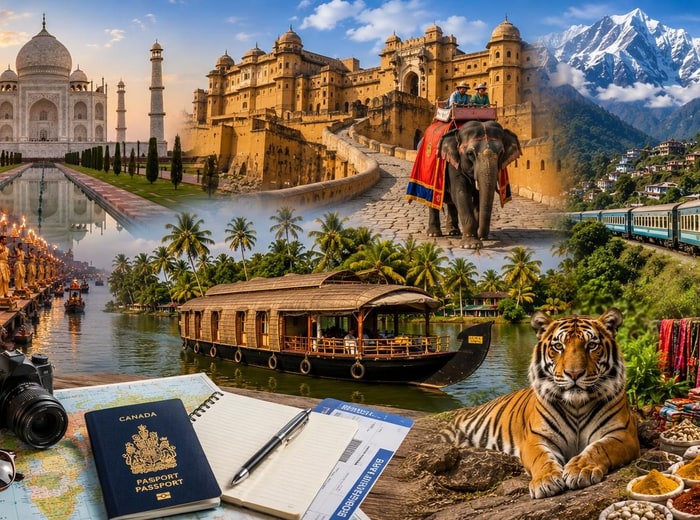
India Travel Tips: A Complete Guide for First-Time Visitors India is a land of extraordinary diversity, where ancient traditions blend seamlessly with modern life. From the snow-covered Himalayas to the tropical beaches of Goa and Kerala, from magnificent forts and palaces to colorful festivals and wildlife sanctuaries, every journey through India offers unforgettable experiences. For first-time visitors, India can seem overwhelming due to its size, cultural diversity, and vibrant pace of life. However, with a little preparation and an open mind, your trip can become one of the most rewarding travel experiences you'll ever have. Here are some essential India travel tips to help you enjoy a safe, comfortable, and memorable holiday. 1. Plan Your Itinerary Wisely India is a vast country, and trying to see everything in one trip is nearly impossible. Instead, focus on one or two regions. Popular itineraries include: Golden Triangle (Delhi – Agra – Jaipur) Rajasthan Heritage Tour Kerala Backwaters & Hill Stations South India Temple Circuit Ladakh Adventure Himalayan Tours Wildlife Safaris India with Nepal and Bhutan A well-paced itinerary allows you to truly experience each destination rather than rushing from one place to another. 2. Travel During the Right Season India experiences different climates across its regions. October to March: Ideal for most of India. April to June: Best for Himalayan destinations such as Ladakh and Himachal Pradesh. June to September: Perfect for lush landscapes and Ayurvedic wellness holidays in Kerala. Choosing the right season enhances your overall travel experience. 3. Obtain Your Visa Before Travelling Most international visitors require a valid visa before entering India. Many nationalities are eligible for the Indian e-Visa, making the application process straightforward. Always check the latest entry requirements well before departure. 4. Pack Smart Your packing list should include: Lightweight cotton clothing Comfortable walking shoes Sunglasses and sunscreen Hat or cap Universal power adapter Personal medications Insect repellent Light jacket for hill stations Reusable water bottle If travelling during winter, carry warm clothing for northern India and Himalayan regions. 5. Respect Local Culture India is culturally diverse and deeply rooted in tradition. Visitors should: Dress modestly when visiting temples, mosques, monasteries, and other religious sites. Remove shoes before entering places of worship where required. Ask permission before photographing people. Respect local customs and religious ceremonies. These small gestures are greatly appreciated by local communities. 6. Stay Healthy To enjoy a comfortable trip: Drink bottled or purified water. Eat freshly cooked food. Wash or sanitize your hands frequently. Carry basic medicines for common travel ailments. Choose clean and busy restaurants for local cuisine. Most visitors enjoy Indian food without problems by following simple precautions. 7. Travel Safely India is generally welcoming to tourists, but sensible precautions are always advisable. Use licensed guides and registered tour operators. Keep valuables secure. Use reputable taxis or app-based transport in cities. Avoid displaying large amounts of cash. Stay aware of your surroundings in crowded areas. With basic awareness, most visitors have a safe and enjoyable holiday. 8. Currency and Payments The Indian Rupee (INR) is the official currency. Credit and debit cards are widely accepted in hotels, restaurants, and shopping malls, while digital payments are common in cities. However, carrying some cash is useful for local markets, smaller shops, and rural destinations. 9. Transportation India offers a wide range of transportation options: Domestic flights High-speed trains Luxury tourist trains Private vehicles with drivers Metro systems in major cities Taxis and ride-hailing services For longer journeys, domestic flights save significant travel time, while private vehicles provide flexibility for sightseeing. 10. Stay Connected Purchasing a local SIM card or international roaming plan makes navigation, communication, and digital payments much easier throughout your journey. 11. Shop Responsibly India is famous for its handicrafts, textiles, jewellery, spices, tea, and traditional artwork. Popular shopping destinations include: Jaipur Delhi Agra Kochi Varanasi Udaipur Jodhpur Bargaining is common in local markets but is generally not practiced in shopping malls or branded stores. 12. Experience Local Festivals If your visit coincides with one of India's vibrant festivals, don't miss the opportunity to participate. Popular festivals include: Holi Diwali Durga Puja Pushkar Camel Fair Hemis Festival Hornbill Festival Onam Pongal These celebrations provide wonderful insights into India's rich cultural heritage. 13. Don't Rush India rewards slow travel. Instead of visiting numerous cities in a short period, spend more time exploring fewer destinations. This allows you to connect with local culture, cuisine, and traditions while reducing travel fatigue. 14. Travel with an Experienced Tour Operator Booking with an experienced destination specialist makes travelling much easier. Professional planning, reliable transportation, knowledgeable guides, quality accommodations, and local support allow you to enjoy your holiday with complete peace of mind. India is unlike any other destination in the world. Its remarkable diversity, warm hospitality, fascinating history, spiritual traditions, spectacular landscapes, and vibrant culture create unforgettable travel experiences. With thoughtful planning, respect for local customs, and a spirit of adventure, your journey through India is sure to become a lifetime memory. Whether you dream of exploring royal palaces, witnessing the Taj Mahal at sunrise, cruising Kerala's backwaters, spotting tigers in the wild, trekking through the Himalayas, or discovering ancient temples, India offers endless possibilities for every traveler. Frequently Asked Questions About Traveling to India 1. What should I know before traveling to India? Before traveling to India, check your passport and visa requirements, plan your transportation and accommodation, consider travel insurance, and research the regions you will visit. India is a large and diverse country, so travel conditions and experiences can vary considerably between destinations. 2. What is the best time to visit India? The best time depends on the regions you plan to visit. October to March is generally a popular period for many North Indian destinations, including Delhi, Agra, Rajasthan and Varanasi. Other regions, particularly parts of South India and the Himalayas, have different ideal travel seasons. 3. Do I need a visa to visit India? Most foreign travelers require a visa to enter India. Eligible nationalities can apply for an Indian eVisa before travel. Always check the latest official requirements for your nationality before booking your trip. 4. What should I pack for a trip to India? Pack according to the season and regions you are visiting. Comfortable walking shoes, lightweight clothing, sun protection, personal medications and a small day bag are useful for most itineraries. Travelers visiting religious sites should also carry clothing that provides appropriate coverage. 5. Is Indian food safe for foreign travelers? Indian food can be enjoyed safely by travelers when sensible precautions are followed. Choose clean and well-established restaurants, drink safe or bottled water, and be cautious with unfamiliar street food, particularly during the first few days of your trip. 6. Can I travel around India by train? Yes. India's extensive railway network connects many major cities and is an important part of the country's travel experience. Depending on the itinerary, private vehicles, domestic flights and trains can be combined to make a journey more comfortable and efficient. 7. Is India suitable for first-time travelers? Yes. India offers a wide range of travel experiences for first-time visitors, from private guided tours to independent travel. A well-planned private itinerary can make the first visit easier by arranging transportation, hotels, guides and sightseeing in advance. 8. What should I know about Indian culture and etiquette? India has diverse cultural and religious traditions. Dress modestly when visiting temples and other religious places, remove shoes where required, ask before photographing people, and respect local customs. A little cultural awareness goes a long way. 9. Can I travel to India on a private tailor-made tour? Yes. Private tailor-made tours allow travelers to choose destinations, hotels, experiences, transportation and the length of their stay. This is particularly useful when you want to combine several regions or have specific interests such as food, wildlife, culture, photography, spirituality or adventure. 10. Can Discovery Full Circle help plan my India trip?Yes. Discovery Full Circle Tours specializes in private and tailor-made journeys in India and can help arrange accommodation, transportation, sightseeing, guides and customized experiences according to your interests, travel dates and budget.Read article →
How to Travel Hygienically in India

Travel · Jul 23, 2026

How to Travel Hygienically in India

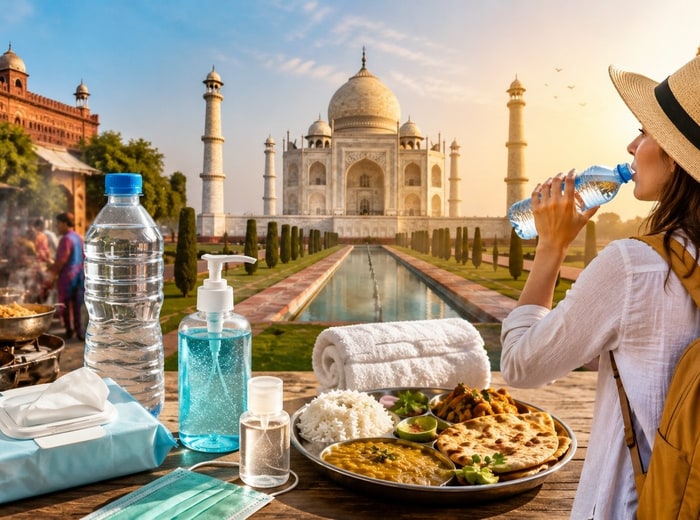
How to Travel Hygienically in India: A Practical Guide for Safe and Healthy Holidays India is one of the world's most fascinating travel destinations, offering majestic monuments, vibrant festivals, breathtaking landscapes, and incredible cultural experiences. While millions of visitors enjoy safe and memorable holidays every year, maintaining good hygiene practices can help ensure your journey remains comfortable and worry-free. Here are some simple yet effective tips to stay healthy while travelling in India. 1. Drink Safe Water Always drink bottled water from reputable brands with a sealed cap or use a reusable bottle with a quality water purifier. Avoid drinking tap water and be cautious with ice unless you are certain it has been made from purified water. 2. Wash or Sanitize Your Hands Frequently Carry a small bottle of hand sanitizer and use it before meals, after sightseeing, and after handling cash or public surfaces. Washing your hands with soap whenever possible is the best way to prevent illness. 3. Choose Freshly Cooked Food Indian cuisine is delicious and incredibly diverse. For the safest experience, eat food that is freshly prepared and served hot. Busy restaurants with a high turnover generally offer fresher meals than places where food has been sitting for long periods. 4. Enjoy Street Food Wisely Street food is an essential part of India's culinary culture. Choose vendors that are popular with locals, maintain clean cooking areas, and prepare food fresh in front of you. Avoid uncooked garnishes and food that has been left exposed. 5. Wash Fruits Before Eating Peel fruits yourself whenever possible. Bananas, oranges, mangoes, and other fruits with thick skins are excellent choices for travellers. 6. Stay Hydrated India's climate can be hot, especially between March and June. Drink plenty of purified water throughout the day to avoid dehydration, particularly during sightseeing. 7. Carry Basic Medicines A small travel medical kit can be very useful. Include medications for headaches, upset stomach, motion sickness, allergies, oral rehydration salts (ORS), adhesive bandages, antiseptic cream, and any prescription medicines you regularly use. 8. Protect Yourself from Mosquitoes In tropical regions or during the monsoon season, apply mosquito repellent, especially during the evening. Lightweight long-sleeved clothing can provide additional protection. 9. Wear Comfortable Footwear Many temples require visitors to remove their shoes before entering. Comfortable sandals or shoes that are easy to remove can make sightseeing more convenient. 10. Use Clean Restroom Facilities Hotels, airports, shopping malls, museums, and major tourist attractions generally provide clean restroom facilities. Carry tissues and hand sanitizer for added convenience during long sightseeing days. 11. Travel with a Reputable Tour Operator One of the easiest ways to maintain high hygiene standards is to travel with an experienced tour company. Reliable operators carefully select clean hotels, hygienic restaurants, comfortable transport, and trusted local guides, allowing you to enjoy your holiday with complete peace of mind. 12. Respect Local Customs When visiting temples and religious sites, dress modestly and follow local customs regarding footwear and cleanliness. Respecting local traditions enhances your travel experience and is appreciated by local communities. Is India Safe for Hygiene? Yes. India's tourism infrastructure has improved significantly in recent years. International hotels, boutique properties, airports, restaurants, trains, and tourist attractions maintain high standards of cleanliness. By following a few common-sense precautions, visitors can comfortably explore the country while enjoying its remarkable hospitality. Why Travel with Discovery Full Circle Tours? At Discovery Full Circle Tours, we carefully select quality accommodations, trusted transport providers, experienced local guides, and hygienic restaurants to ensure every journey is comfortable and enjoyable. Our private guided tours allow you to discover India's incredible heritage with confidence, convenience, and personalized service. Final Thoughts Travelling hygienically in India is simple with a little preparation. Safe drinking water, freshly cooked food, regular hand hygiene, and sensible travel habits will help you enjoy everything India has to offer—from the Himalayas and Rajasthan's royal palaces to Kerala's tranquil backwaters and the iconic Taj Mahal. With thoughtful planning and the support of an experienced local tour operator, your Indian adventure can be both unforgettable and worry-free.Read article →
The Ultimate Guide to the Great Rann of Kutch: Where the Earth Meets the Sky

Travel · Jul 6, 2026

The Ultimate Guide to the Great Rann of Kutch: Where the Earth Meets the Sky

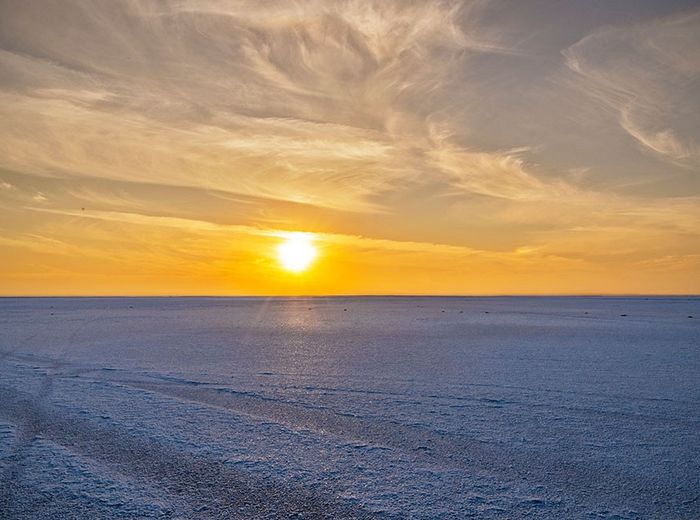
There is a moment right before sunset in the Great Rann of Kutch where the horizon completely vanishes. Stand out far enough on the white salt crust, and the line separating the stark, cracked earth from the pastel sky dissolves entirely. You are quite literally standing in a vast, salt-rimmed infinity. If you’re planning a trip to India 's most surreal geographic wonder, you've likely seen the stunning photos. But turning those pictures into a smooth, actual travel experience requires some strategic planning. From securing mandatory border permits to timing the full moon, here is everything you actually need to know about visiting the Rann of Kutch . What Exactly is the Rann of Kutch? The Great Rann of Kutch is one of the largest salt deserts in the world, stretching across more than 7,500 square kilometers in the Thar Desert of Gujarat. For most of the year, this massive basin is submerged in sea water from the Arabian Sea. As the water evaporates during the scorching summer months, it leaves behind a thick, crunchy, blindingly white sheet of pure salt. While the salt desert itself is the headline act, the broader Kutch region is a living museum of incredible textile heritage, ancient mud-hut architecture, and unique wildlife. Timing Your Trip: The Full Moon Magic & Weather The salt desert is entirely seasonal. If you visit in July, you will find a shallow sea instead of a white desert. Peak Season (November to February): This is the sweet spot. The water has dried up, the salt is packed solid, and the winter weather drops to a pleasant 15°C to 25°C during the day, though desert nights can drop significantly lower. The Full Moon Phenomenon: If you can, align your travel dates with the full moon cycle. The way the bright moonlight reflects off the flat salt pan creates an eerie, hypnotic silver glow that feels completely otherworldly. The Rann Utsav Experience Every winter, the Gujarat Tourism department hosts the Rann Utsav , a massive cultural festival that runs from late October through early March. The epicenter of the festival is Dhordo , a village that was recently recognized as one of the UNWTO's Best Tourism Villages. Here, a literal "Tent City" pops up overnight, featuring hundreds of luxury tents, food halls serving authentic Kutchi cuisine, and nightly folk music and dance performances under the desert sky. Even if you prefer to bypass the massive crowds of Tent City, the festive energy across Kutch during these months is contagious. You can watch local artisans practice Bandhani (tie-dye art), intricate Ajrakh block printing, and leathercraft that has been passed down through generations. Beyond the Salt: Must-See Stops in Kutch To get a true sense of the region, don't just stay on the salt flats. Make time for these essential detours: Kalo Dungar (The Black Hill): This is the highest point in Kutch. From the summit, you get a panoramic look across the northern salt flats all the way to the Pakistani border. It is also famous for the 400-year-old Dattatreya Temple, where wild jackals gather daily for a feeding ritual. The Heritage City of Bhuj: Your gateway to the region. Take a day to wander through the cinematic, earthquake-ruined royal cenotaphs at Chhatardi Bhuj , the mirror-lined halls of Aaina Mahal , and the imposing Prag Mahal . Traditional Villages (Hodka & Gandhi Nu Gam): This is where you can see Bhungas —circular mud houses with thatched roofs engineered perfectly to withstand both the desert heat and powerful earthquakes. Frequently Asked Questions (FAQs) Do I need a permit to visit the Rann of Kutch? Yes. Because the Rann shares a direct border with Pakistan, an official government permit is mandatory for all visitors. You can apply easily online through the official Gujarat Tourism portal or obtain a physical copy at the Bhirandiyara checkpoint on your way to the desert. You will need a valid government-issued ID (like an Aadhaar card or passport). How do I reach the Rann of Kutch? The closest transit hub is Bhuj , which has its own domestic airport and a well-connected railway station with direct trains from Mumbai, Delhi, and Ahmedabad. From Bhuj, the salt flats at Dhordo are about 85 kilometers (around a 1.5 to 2-hour drive) via smooth, well-maintained roads. What should I pack for a desert trip? Pack in layers. The desert sun is intense during the daytime, so you will want light linen or cotton clothes, sunglasses, a wide-brimmed hat, and plenty of sunscreen. However, temperatures plummet sharply after sunset, so a heavy fleece jacket, woolen socks, and a scarf are absolute essentials for night safaris. Is the Rann of Kutch suitable for solo or family travel? Absolutely. The entire region is highly safe, incredibly hospitable, and structurally well-managed, making it fantastic for family vacations, couples, and solo travelers alike.Read article →
Luxury India Travel: A Journey Beyond Five-Star Hotels

Travel · Jul 1, 2026

Luxury India Travel: A Journey Beyond Five-Star Hotels

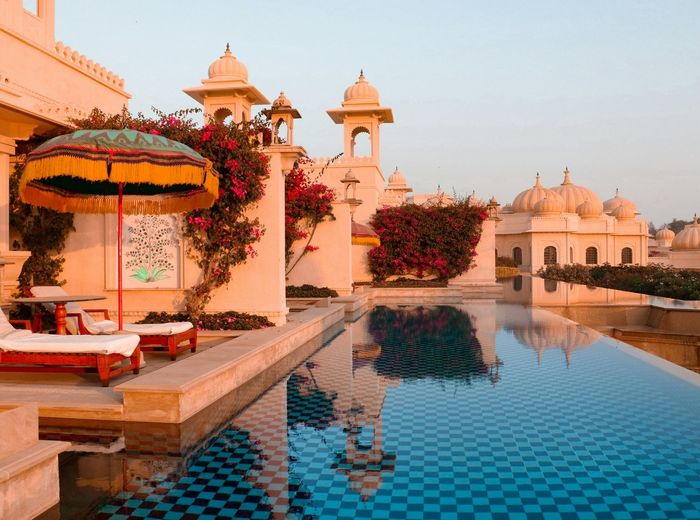
Luxury means different things to different people. For some, it's staying in a palace that once hosted royalty. For others, it's enjoying a private sunrise at the Taj Mahal, sipping chai with a local family in Jaipur, or unwinding at a wellness retreat tucked away in the Himalayas. In India, luxury isn't just about where you stay—it's about how you experience the destination. As travelers increasingly seek meaningful, personalized holidays, India has emerged as one of the world's most exciting luxury destinations. Rich in history, culture, wildlife, and hospitality, it offers experiences that are difficult to replicate anywhere else. Whether you're planning your first visit or returning to discover a different side of the country, this guide explores what makes luxury India travel so special. Why Luxury Travel in India Is More Than Just Comfort Gone are the days when luxury travel was defined solely by five-star hotels and first-class flights. Today's travelers want exclusivity, authenticity, and the freedom to travel at their own pace. India delivers all of this in abundance. You can begin your morning with a private yoga session overlooking the Ganges, spend the afternoon exploring centuries-old forts with an expert historian, and end the day enjoying a chef-curated dinner inside a restored royal palace. It's these carefully crafted moments that transform a holiday into an unforgettable experience. This shift has also changed how people search online. Instead of simply looking for hotels, travelers are searching for terms like luxury India travel, private tours of India, bespoke India holidays, and luxury India vacation packages —all reflecting a growing demand for personalized experiences. Experience India's Royal Heritage India is home to some of the world's most remarkable heritage hotels. Former palaces, forts, and royal residences have been beautifully restored, allowing guests to experience the grandeur of a bygone era without sacrificing modern comfort. Imagine waking up in a palace overlooking a serene lake in Udaipur, enjoying breakfast in a courtyard where royal families once gathered, or relaxing in a luxurious suite surrounded by centuries of history. These properties offer much more than elegant accommodation. Personalized service, locally inspired cuisine, spa treatments, cultural performances, and stunning architecture combine to create an experience that feels both exclusive and deeply connected to India's heritage. Discover the Golden Triangle in Style The Golden Triangle —Delhi, Agra, and Jaipur—is one of India's most iconic travel routes, but experiencing it through a luxury itinerary makes all the difference. Instead of rushing between attractions, luxury travelers enjoy carefully curated experiences. A private guide brings history to life as you explore Old Delhi. Early morning access to the Taj Mahal offers a quieter, more intimate atmosphere. In Jaipur, you can wander through magnificent palaces before enjoying an evening of fine dining in a restored heritage property. Luxury isn't about seeing more places. It's about experiencing each destination with greater depth and comfort. Wellness Meets Luxury India has long been associated with wellness, making it an ideal destination for travelers seeking relaxation alongside exploration. Across Kerala, the Himalayan foothills, and peaceful countryside retreats, luxury wellness resorts combine traditional healing practices with world-class hospitality. Guests can enjoy personalized Ayurveda treatments, yoga sessions, meditation programs, organic cuisine, and holistic therapies designed to restore both body and mind. Many travelers now include a wellness retreat as part of a longer luxury journey through India, creating the perfect balance between sightseeing and relaxation. Luxury Wildlife Experiences India offers one of the few places in the world where you can enjoy an authentic wildlife safari without compromising on comfort. Imagine setting out before sunrise in search of the elusive Bengal tiger, accompanied by experienced naturalists who share fascinating insights into the region's wildlife. After the safari, return to a beautifully designed luxury lodge where gourmet meals, spacious suites, and peaceful surroundings await. National parks such as Ranthambore, Bandhavgarh, Kanha, and Jim Corbett have become popular among travelers looking for exclusive wildlife experiences paired with exceptional hospitality. Travel by Luxury Train For those who appreciate slow, immersive travel, India's luxury trains offer a unique way to explore the country. Designed to reflect the elegance of royal travel, these trains feature luxurious cabins, fine dining, attentive service, and curated excursions at each destination. Traveling by rail allows guests to experience multiple cities while enjoying the comfort of a moving luxury hotel. It's an experience that combines nostalgia, sophistication, and convenience in equal measure. Authentic Experiences That Money Alone Can't Buy One of the defining features of luxury travel in India is access to experiences that feel personal rather than commercial. Instead of following crowded tourist routes, travelers can enjoy: Private cooking sessions with local families Guided heritage walks through hidden neighborhoods Exclusive visits to artisan workshops Curated shopping experiences with local designers Sunset boat rides on sacred rivers Private cultural performances Fine dining in historic palaces Tailor-made photography tours These experiences often become the moments people remember long after they've returned home. Best Time to Visit India for a Luxury Holiday India is a year-round destination, but the ideal travel season depends on the regions you wish to explore. Northern India, including Delhi, Agra, and Rajasthan, is best visited between October and March when the weather is pleasant for sightseeing. Kerala is particularly enjoyable from September through March, while Ladakh is best explored during the summer months between June and September. Wildlife enthusiasts often visit central India's national parks from October until early summer, when animal sightings become more frequent. Planning around festivals such as Diwali, Holi, or the Pushkar Fair can also add an unforgettable cultural dimension to your journey. Why Personalized Planning Matters Luxury travel isn't simply about choosing expensive hotels. It's about designing an itinerary that reflects your interests, travel style, and pace. Some travelers prefer architecture and history. Others want wellness retreats, wildlife adventures, culinary experiences, or spiritual journeys. A thoughtfully planned itinerary ensures every day feels meaningful rather than rushed. Working with a trusted local destination expert also provides access to exclusive experiences, knowledgeable guides, seamless transportation, and carefully selected accommodations that are often difficult to arrange independently. Discover India Your Way India has an extraordinary ability to surprise even experienced travelers. Every region tells a different story, every city offers a unique atmosphere, and every journey can be tailored to suit your interests. Whether you're dreaming of palace stays in Rajasthan, private tours of the Golden Triangle , luxury houseboats in Kerala, Himalayan wellness retreats, or unforgettable tiger safaris, India offers a level of diversity that few destinations can match. Luxury travel here isn't defined by extravagance alone. It's about comfort, authenticity, and experiences that stay with you long after the journey ends. If you're looking for luxury India travel packages, private India tours, or bespoke luxury holidays in India, Discovery Full Circle Tours specializes in creating personalized itineraries for international travelers. With extensive local knowledge, carefully selected accommodation, and attention to every detail, every journey is designed to showcase the very best of India in comfort and style. Frequently Asked Questions (FAQ) – Luxury India Travel 1. What is a luxury tour in India? A luxury tour in India combines premium accommodations, private transportation, personalized services, expert guides, exclusive experiences, and carefully planned itineraries. Guests enjoy exceptional comfort while exploring India's iconic landmarks, cultural heritage, wildlife, and scenic destinations. 2. What are the best luxury destinations in India? Some of India's finest luxury destinations include Rajasthan, the Golden Triangle (Delhi, Agra & Jaipur), Kerala, Goa, Ladakh, Kashmir, Udaipur, Jodhpur, Varanasi, Ranthambore National Park, and the backwaters of Alleppey. 3. Which luxury hotels are popular in India? India is home to some of the world's most renowned luxury hotels, including palace hotels, heritage properties, luxury wildlife lodges, boutique resorts, beach resorts, and internationally acclaimed five-star hotels operated by leading hospitality brands. 4. Is India suitable for luxury train journeys? Yes. India offers several world-famous luxury trains, including the Palace on Wheels, Maharajas' Express, Deccan Odyssey, and Golden Chariot, providing an elegant way to explore the country's cultural and historical treasures. 5. Can a luxury India tour be customized? Absolutely. Luxury holidays can be fully tailored to your interests, whether you prefer heritage, wildlife, wellness, spirituality, food, photography, golf, river cruises, or family vacations. Every itinerary can be personalized to suit your travel style and pace. 6. What transportation is used during luxury tours? Luxury tours generally include private air-conditioned vehicles with professional chauffeurs, domestic flights where appropriate, premium train journeys, helicopter transfers (on request), and VIP airport assistance for a seamless travel experience. 7. What exclusive experiences can be included in a luxury India holiday? Luxury itineraries may include private monument tours, palace dinners, sunset boat cruises, spa and wellness treatments, hot air balloon rides, private cooking demonstrations, wildlife safaris, cultural performances, heritage walks, and exclusive access to selected attractions. 8. When is the best time for a luxury holiday in India? The best time for most luxury tours is between October and March, when the weather is pleasant for sightseeing and outdoor experiences. Himalayan destinations such as Ladakh are best visited between May and September. 9. Is India safe for luxury travelers? Yes. India is a popular destination for luxury travelers from around the world. Choosing a reputable tour operator, premium accommodations, and private transportation ensures a comfortable, secure, and enjoyable travel experience. 10. How many days are recommended for a luxury India tour? A luxury itinerary typically ranges from 10 to 21 days, allowing travelers to experience multiple regions at a relaxed pace while enjoying premium accommodations and exclusive experiences. 11. Can luxury India tours include Nepal, Bhutan, or Sri Lanka? Yes. Many travelers combine India with Nepal, Bhutan, or Sri Lanka to create an extended luxury holiday featuring Himalayan landscapes, Buddhist heritage, wildlife, beaches, and cultural experiences. 12. Why choose Discovery Full Circle Tours for a luxury India holiday? With over 20 years of experience, Discovery Full Circle Tours specializes in designing bespoke luxury journeys across India, Nepal, Bhutan, and Sri Lanka. From handpicked luxury hotels and heritage palaces to private sightseeing, experienced guides, and personalized service, every itinerary is crafted to deliver an exceptional and unforgettable travel experience.Read article →
Pushkar Fair 2026: Experience Rajasthan's Most Colorful Cultural Festival

festivals · Jun 21, 2026

Pushkar Fair 2026: Experience Rajasthan's Most Colorful Cultural Festival

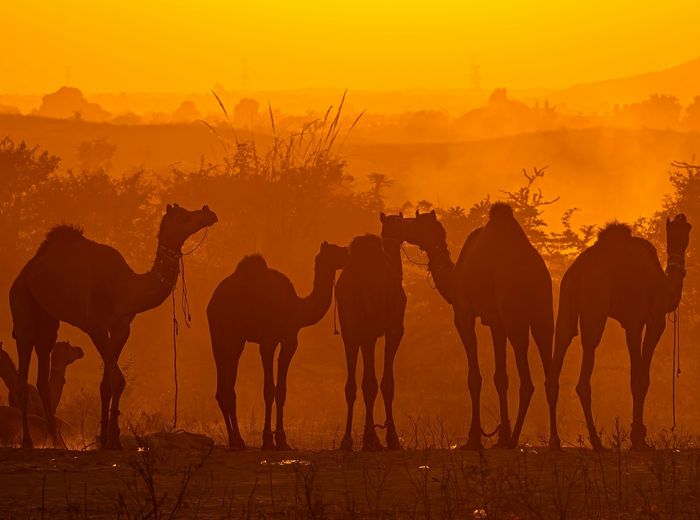
The Pushkar Fair 2026, also known as the Pushkar Camel Fair or Pushkar Mela, is one of India's most famous cultural festivals and among the world's largest livestock fairs. Held in the sacred town of Pushkar in Rajasthan, this annual event attracts thousands of travelers, photographers, pilgrims, and traders from across the globe. The 2026 edition is expected to take place from 17 November to 24 November 2026, coinciding with the auspicious occasion of Kartik Purnima. What is the Pushkar Fair? For centuries, Pushkar Fair has served as a major trading event for camels, horses, and cattle. Over time, it has evolved into a vibrant cultural celebration showcasing the rich traditions, music, dance, crafts, and rural lifestyle of Rajasthan. Today, the fair combines livestock trading, religious rituals, and cultural performances, making it one of the most unique festivals in India. Why Visit Pushkar Fair 2026? 1. Witness the World's Largest Camel Gathering Thousands of beautifully decorated camels gather on the desert sands of Pushkar. Traders travel from remote villages across Rajasthan to buy and sell livestock, creating a spectacular sight unlike anywhere else in the world. 2. Experience Authentic Rajasthani Culture The fairground comes alive with: Folk music performances Kalbelia dance shows Camel decoration competitions Camel races Turban-tying contests Longest moustache competition Traditional rural sports Visitors can immerse themselves in the colorful heritage of Rajasthan while interacting with local communities. 3. Explore the Sacred Town of Pushkar Pushkar is one of the holiest towns in India and is home to the famous Brahma Temple, one of the very few temples dedicated to Lord Brahma. Pilgrims gather at Pushkar Lake during Kartik Purnima to take a sacred dip believed to bring spiritual blessings. 4. Shop for Traditional Handicrafts The bustling markets offer: Handmade jewelry Rajasthani textiles Leather goods Traditional clothing Souvenirs Local artwork The fair is a paradise for shoppers and photographers alike. Top Attractions at Pushkar Fair 2026 Camel Safari Ride through the golden dunes surrounding Pushkar and enjoy breathtaking desert sunsets. Hot Air Balloon Rides Get a bird's-eye view of the fairgrounds, desert landscape, and colorful festival activities. Cultural Evenings Every evening features folk performances, music concerts, and traditional dances that showcase Rajasthan's vibrant culture. Pushkar Lake and Ghats Witness evening aarti ceremonies and experience the spiritual atmosphere around the sacred lake. How to Reach Pushkar By Air The nearest airport is Jaipur International Airport, approximately 150 km from Pushkar. By Train Ajmer Junction is the nearest railway station, located about 15 km away. By Road Pushkar is well connected by road to Jaipur, Delhi, Jodhpur, Udaipur, and other major cities in Rajasthan. Travel Tips for Pushkar Fair 2026 Book accommodation well in advance, as hotels sell out quickly. Carry comfortable walking shoes. Early mornings and evenings can be cool, so pack light winter clothing. Respect local customs and religious practices around Pushkar Lake. Bring a camera—the fair offers some of the best photography opportunities in India. Pushkar Fair 2026 with Discovery Full Circle Tours Experience the magic of Rajasthan with our specially curated 9 Days Pushkar Fair tour . Combine the festival with the Golden Triangle (Delhi, Agra, Jaipur), Rajasthan heritage destinations , or luxury cultural experiences . Our expert guides, comfortable transportation, and carefully selected accommodations ensure a memorable journey through one of India's most iconic festivals. Final Thoughts Pushkar Fair 2026 is more than just a festival—it's a celebration of Rajasthan's rich cultural heritage, spirituality, and desert traditions. Whether you are a photographer, cultural enthusiast, pilgrim, or first-time visitor to India, the Pushkar Fair promises unforgettable experiences filled with color, music, tradition, and adventure. Plan your visit now and witness one of the most extraordinary festivals in the world. Explore More of Rajasthan and India A visit to the Pushkar Fair is often combined with a broader journey through Rajasthan's magnificent forts, palaces, desert landscapes, and vibrant cities. Travelers can extend their experience by exploring Jaipur, Jodhpur, Udaipur, Jaisalmer, and Ranthambore through our Rajasthan Tour Packages . For first-time visitors to India, the fair can be seamlessly combined with the iconic Golden Triangle Tour India , covering Delhi, Agra, and Jaipur. This classic route offers the perfect introduction to India's rich history, architecture, and culture. Those seeking a more immersive experience can discover the country's traditions, festivals, and heritage through our carefully designed India Cultural Tours, while travelers looking for premium experiences may prefer our exclusive Luxury India Tours featuring heritage hotels, private guides, and personalized services.Whether you are interested in festivals, wildlife, spirituality, or heritage, Discovery Full Circle Tours offers customized itineraries to help you experience the very best of India. Frequently Asked Questions (FAQs) About Pushkar Fair 2026 1. When is the Pushkar Fair 2026? The Pushkar Fair 2026 is expected to be held from 17 November to 24 November 2026 , although the final dates may vary according to the Hindu lunar calendar. 2. Where is the Pushkar Fair held? The Pushkar Fair takes place in Pushkar, Rajasthan, India, a sacred town located near Ajmer and famous for its holy lake and Brahma Temple. 3. Why is the Pushkar Fair famous? Pushkar Fair is famous for being one of the world's largest camel and livestock fairs. It is also renowned for its cultural performances, religious ceremonies, handicraft markets, and vibrant Rajasthani traditions. 4. Is Pushkar Fair worth visiting? Yes, Pushkar Fair is one of the most unique festivals in India. Visitors can experience authentic Rajasthani culture, witness camel trading, enjoy folk performances, and participate in spiritual ceremonies. 5. What are the main attractions of Pushkar Fair? Popular attractions include: Camel trading and decoration competitions Folk music and dance performances Hot air balloon rides Traditional handicraft markets Religious ceremonies at Pushkar Lake Desert camping experiences Camel races and cultural contests 6. How many days should I spend in Pushkar during the fair? A stay of 2 to 3 days is usually sufficient to experience the main highlights of the fair. Travelers often combine Pushkar with Jaipur, Jodhpur, Udaipur, or the Golden Triangle circuit. 7. What is the best way to reach Pushkar? The nearest airport is Jaipur International Airport, approximately 150 km away. The nearest railway station is Ajmer Junction, located around 15 km from Pushkar. 8. Are hotels expensive during Pushkar Fair? Accommodation prices increase significantly during the festival due to high demand. It is recommended to book hotels or desert camps at least 4–6 months in advance. 9. Can foreigners visit Pushkar Fair? Yes, Pushkar Fair attracts thousands of international tourists every year. It is considered one of the most popular cultural festivals in India for foreign travelers. 10. What should I wear during Pushkar Fair? Comfortable clothing, walking shoes, sunglasses, sunscreen, and a hat are recommended. November weather in Pushkar is generally pleasant with warm days and cooler evenings. 11. Is Pushkar Fair suitable for families? Yes, Pushkar Fair is family-friendly and offers cultural shows, shopping opportunities, local cuisine, and activities suitable for visitors of all ages. 12. Can I combine Pushkar Fair with a Rajasthan tour? Absolutely. Many travelers combine Pushkar Fair with Jaipur, Jodhpur, Udaipur, Ranthambore National Park, and Agra as part of a larger Rajasthan or Golden Triangle itinerary. 13. What is the significance of Pushkar Lake during the fair? Pushkar Lake is considered one of the holiest lakes in India. Pilgrims visit during the fair to take a sacred dip, especially on Kartik Purnima, which is believed to bring spiritual blessings. 14. Is Pushkar Fair only about camels? No. While the camel fair is the most famous aspect, the event also includes cultural festivals, religious ceremonies, handicraft shopping, local cuisine, adventure activities, and photography opportunities. 15. What are the best photography opportunities at Pushkar Fair? The fair offers incredible photography subjects including decorated camels, colorful turbans, folk dancers, desert landscapes, local markets, sunset scenes, and religious rituals around Pushkar Lake.Read article →
Nashik Kumbh Mela 2027

destination-guide · Jun 16, 2026

Nashik Kumbh Mela 2027

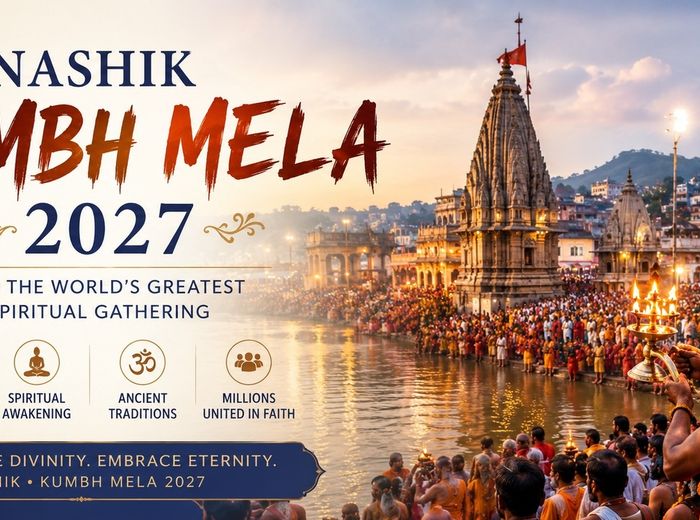
Nashik Kumbh Mela 2027: A Once-in-Twelve-Years Spiritual Journey The Nashik Kumbh Mela, also known as the Simhastha Kumbh Mela, is among the most revered Hindu festivals and one of the largest peaceful gatherings on Earth. Celebrated every twelve years, the event brings together saints, monks, devotees, and travelers from across India and around the world to take part in sacred rituals and holy bathing ceremonies along the banks of the Godavari River. The 2027 edition is expected to attract millions of pilgrims to Nashik and Trimbakeshwar, making it an extraordinary opportunity to witness India's living spiritual traditions and vibrant cultural heritage. Why is the Kumbh Mela Celebrated in Nashik? According to Hindu mythology, during the legendary Samudra Manthan (Churning of the Ocean), drops of the divine nectar of immortality (Amrit) fell at four sacred locations: Prayagraj, Haridwar, Ujjain, and Nashik. These places became the hosts of the Kumbh Mela, where devotees believe that taking a holy dip during auspicious planetary alignments helps purify the soul and brings spiritual merit. In Nashik, the sacred bathing takes place primarily on the banks of the Godavari River and at Trimbakeshwar, one of the twelve Jyotirlingas dedicated to Lord Shiva. Important Bathing Dates for Nashik Kumbh Mela 2027 The most significant days of the festival are the Amrit (Shahi) Snans, when Akharas and millions of devotees participate in ceremonial processions and holy baths. First Amrit (Shahi) Snan: 2 August 2027 Second Amrit (Shahi) Snan: 31 August 2027 Third Amrit Snan (Nashik): 11 September 2027 Third Amrit Snan (Trimbakeshwar): 12 September 2027 Travelers should verify schedules closer to their journey, as local authorities may release updates and operational details. Preparations for the 2027 event are already underway. Highlights of the Kumbh Mela Experience One of the biggest attractions is witnessing the grand processions of Naga Sadhus and various Akharas as they proceed towards the sacred bathing ghats. These colorful processions feature chanting, traditional music, decorated elephants and horses, and centuries-old rituals. Visitors can also attend religious discourses, devotional singing, cultural performances, and spiritual gatherings led by renowned saints and scholars. Temporary camps, community kitchens, and charitable activities create a unique atmosphere of faith and service. Major Places to Visit During Your Trip Trimbakeshwar Temple Located around 30 kilometers from Nashik, Trimbakeshwar is home to one of the twelve sacred Jyotirlingas of Lord Shiva and is a major pilgrimage destination during the Kumbh Mela. Ramkund Ramkund is the principal bathing ghat in Nashik and holds immense religious importance. It becomes the focal point of spiritual activities during the Kumbh Mela. Panchavati Associated with the Ramayana, Panchavati is believed to be the place where Lord Rama, Sita, and Lakshmana spent part of their exile. The area features several temples and sacred sites. Sita Gufa This small cave is traditionally believed to be linked with Goddess Sita and is a popular stop for pilgrims exploring Panchavati. Sula Vineyards Visitors looking to combine pilgrimage with leisure may also explore the vineyards around Nashik, which have made the city one of India's leading wine destinations. Travel Tips for Visitors Book hotels and transport several months in advance due to extremely high demand. Arrive at least one or two days before major bathing dates. Wear comfortable clothing and footwear suitable for long walks. Carry identification, water, and essential medicines. Follow local administration guidelines and designated routes during peak days. Travel with a reputable tour operator for smoother logistics and assistance. Best Time to Visit Although Nashik is worth visiting throughout the year, the Kumbh Mela period in 2027 offers a unique opportunity to witness one of the world's most remarkable religious gatherings. Visitors who prefer smaller crowds may choose dates outside the main Amrit Snan days while still enjoying the spiritual atmosphere. Why Choose a Guided Kumbh Mela Tour? A professionally organized tour provides comfortable accommodation, airport or railway transfers, guided sightseeing, assistance with local logistics, and the opportunity to combine the pilgrimage with visits to Trimbakeshwar, Shirdi , Aurangabad , Ajanta , or Ellora . Frequently Asked Questions When is the Nashik Kumbh Mela 2027? The major bathing ceremonies are scheduled for 2 August, 31 August, 11 September, and 12 September 2027. Where does the Kumbh Mela take place in Nashik? The principal locations are Ramkund in Nashik and Kushavarta at Trimbakeshwar. How often is the Nashik Kumbh Mela held? It is celebrated once every 12 years. Can international tourists attend the Kumbh Mela? Yes. Visitors from around the world attend the festival to experience its spiritual significance, cultural traditions, and unique atmosphere. Should accommodation be booked early? Absolutely. Due to the enormous number of pilgrims, booking several months in advance is highly recommended. Why Book Your Nashik Kumbh Mela 2027 Tour with Discovery Full Circle Tours? The Nashik Kumbh Mela 2027 is one of the world's largest and most sacred spiritual gatherings, attracting millions of pilgrims and visitors. Planning a visit requires expert local knowledge, reliable logistics, and timely arrangements. At Discovery Full Circle Tours , we specialize in creating seamless pilgrimage experiences, allowing you to focus on the spiritual significance of your journey while we take care of every detail. Our team has been designing tailor-made tours across India since 2004 and offers personalized service backed by decades of experience. Why Travel with Discovery Full Circle Tours? Over 20 Years of Expertise – Trusted specialists in pilgrimage, cultural, and heritage tours across India. Expertly Planned Kumbh Mela Tours – Carefully designed itineraries to help you experience the holy bathing rituals, temples, and spiritual ceremonies with ease. Comfortable Accommodation – Stay in carefully selected hotels or premium tented accommodations, subject to availability during the festival. Private Transportation – Air-conditioned private vehicles with experienced chauffeurs for comfortable and hassle-free travel. Experienced Local Guides – Gain deeper insights into the history, traditions, and significance of the Kumbh Mela and Nashik's sacred sites. Customized Pilgrimage Packages – Extend your journey to destinations such as Shirdi, Ellora Caves, Ajanta Caves, Mumbai, or other spiritual and cultural attractions. Flexible Itineraries – Travel at your own pace with personalized schedules designed around your preferences. Transparent Pricing – No hidden charges, with clear inclusions and professional service throughout your trip. 24/7 On-Tour Assistance – Dedicated support before and during your pilgrimage for complete peace of mind. Authentic Spiritual Experiences – Witness sacred bathing ceremonies, visit ancient temples, participate in religious rituals, and experience India's rich spiritual heritage. Whether you are traveling as a pilgrim, photographer, cultural enthusiast, or first-time visitor, Discovery Full Circle Tours ensures a well-organized, comfortable, and enriching Nashik Kumbh Mela 2027 experience, allowing you to fully immerse yourself in one of India's most extraordinary spiritual events.Read article →